
The honest answer is that it depends on what you need the property to do. Abuja satellite towns are where most buyers with ₦50 million or less now look, because the central districts are out of reach and rents keep climbing.
The three towns carry different trade-offs. Kuje has the cheapest entry and the most title risk. Lugbe has the most demand and the clearest flood exposure. Kubwa is the most established, with a major road project reshaping its edge.
This guide compares them on price, title, flooding, and fit. It is general information, not financial or legal advice.
Why Buyers Are Looking Beyond the City Centre
Rents are one reason. As covered in our report on the Abuja rent surge, the Housing Development Advocacy Network’s Q4 2026 outlook expects continued upward pressure in established districts and more households moving to satellite communities.
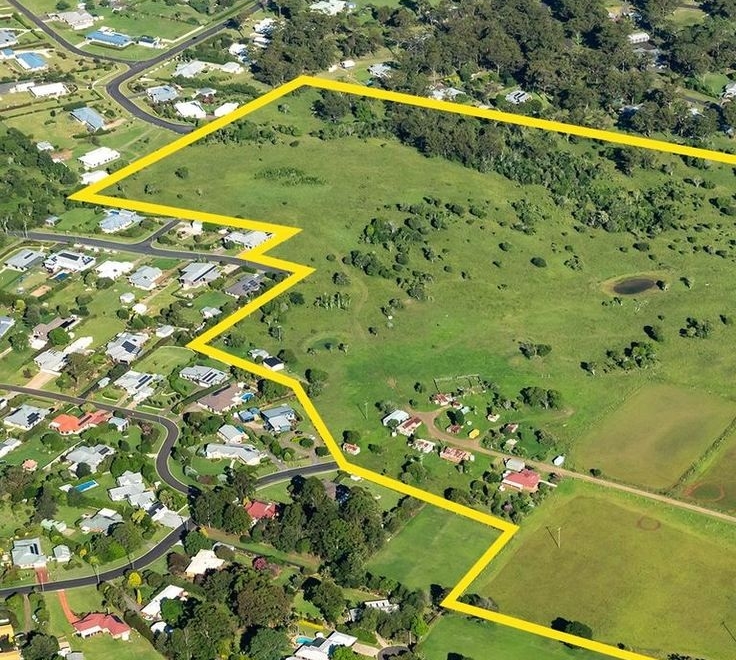
Prices are another. A mid-March 2026 snapshot attributed to Estate Intel, and republished by property blogs, put 2-bedroom and 3-bedroom flats in satellite areas at ₦35 million to ₦75 million. The areas included Kuje, Gwagwalada, and Lugbe extensions.
It reported year-to-date gains of 13% to 19%, against 6% to 10% in Maitama and Asokoro.
Treat growth figures with care. One developer’s guide claims 32% to 35% appreciation in Kuje and Lugbe in 2025. We could not trace that to an independent index, so we would not budget on it.
What ₦50 Million Can Buy in Each Town
All figures below are asking prices from listing sites and guides. Asking prices are not sale prices, and the sources do not always agree.
| Kuje | Lugbe | Kubwa | |
|---|---|---|---|
| Land per plot | Median ₦6 million; listings run ₦2 million to ₦30 million (Nigeria Property Centre, Q3 2026). Guides put documented 250 to 350 sqm plots at ₦3 million to ₦5 million. | Median ₦15 million; listings run ₦3.5 million to ₦149.7 million (Nigeria Property Centre, Q3 2026). A guide quotes about ₦10 million for 350 sqm. | A 2026 guide quotes ₦8 million to ₦25 million per plot, grouped with Lokogoma. |
| Built property | The Estate Intel snapshot named Kuje Town among the best buys under ₦50 million. | Nigeria Property Centre says most Lugbe listings fall between ₦45 million and ₦200 million, so ₦50 million sits at the bottom of the market. | A 2026 guide gives a typical range of ₦25 million to ₦120 million. |
| Per sqm | Not reliably reported | ₦300,000 to ₦750,000 (guide) | ₦250,000 to ₦650,000 (guide) |
Two practical points follow. First, check whether a ₦50 million listing is finished or a carcass, meaning an unfinished shell. Some Lugbe listings at that price are carcasses.
Second, if you buy land and build, get a quantity surveyor’s quote. We found no reliable construction cost figure, so we have not included one. Our guide to hidden fees in Nigerian real estate lists costs buyers often miss.
Your budget may also depend on financing. The NHF ceiling is ₦50 million, but lenders lend against verified title. That matters most in the next section.
Kuje: Cheapest Entry, Longest Wait
Kuje is the lowest-cost route to a documented plot. Guides describe it as still priced the way Lugbe was before it repriced, and they pitch it to buyers with a five- to seven-year horizon. Those are developer and listing-site views, so read them as marketing until you test them.
The trade-offs are practical. The area is still developing, so it suits land banking better than buyers who need rental income or a move-in date. Guides also warn that community and family land, sometimes with only an allocation letter, still circulates there at attractive prices.
Kuje is also where title checks matter most. In February 2026, the FCTA cancelled allocations in Kuje Area Council’s Kuchiyako One Layout, as part of a wider purge covered below. We found no specific 2026 flood reports for Kuje. That is not proof of safety, so check drainage and elevation on any plot.
Lugbe: Most Demand, Clearest Flood Risk
Lugbe sits on the airport corridor and has the deepest market of the three. Nigeria Property Centre listed more than 1,100 properties there in early November 2026. That depth helps if you want to sell or let later.
The flood record is the main concern. Reporting based on a Daily Trust analysis said more than 116 houses were submerged in Lugbe and Trademore Estate this season, and the Airport Expressway flooded in September.
A June 2026 study found that 34% of Lugbe falls within moderate-to-high flood-hazard zones, with some severe areas recording potential depths above 1.5 metres. It named River Park Estate, Trademore Estate, the Voice of Nigeria axis, and the area around the Lugbe Fruit Market as exposed.
That does not make every Lugbe street unsafe. It does mean street-level due diligence is essential, not optional. Ask neighbours about past flooding, look at the drainage, and check how close the plot is to a waterway. Our reports on Gwarinpa flooding and Abuja demolitions show what enforcement against waterway encroachment looks like.
Kubwa: Liveable Now, With a Corridor Under Construction
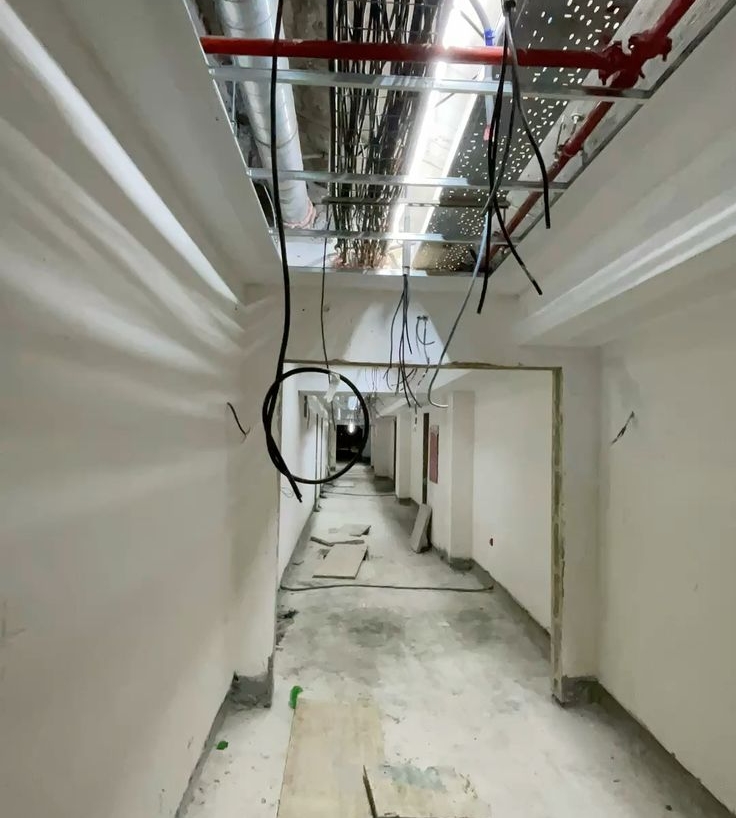
Kubwa is the most established of the three. A 2026 land guide describes Kubwa and Lokogoma as liveable now, which many first-time buyers prefer. Guides also describe it as a steady rental-demand area. For yield comparisons, see our ranking of the best Abuja neighbourhoods for rental income.
Ring Road 3 is the big change. The project links Karsana, Gwarinpa, and Kubwa, and officials describe it as continuing toward Airport Road. It could improve connectivity.
It has also already triggered enforcement. On 20 August 2026, the FCT Minister ordered the demolition of about 30 buildings encroaching on the road’s right of way. If you are buying near the corridor, confirm your plot sits clear of mapped road and drainage setbacks.
Kubwa is not free of flood concerns either. Reports in August 2026 quoted residents of Gwagwalada and Kubwa calling for urgent intervention on flooding.
The Title Problem in Area Council Land
Satellite town land often carries Area Council paperwork or a Right of Occupancy, not the city-style Certificate of Occupancy. Guides say these titles can be legitimate, but they also say verification matters more here than in the inner city.
The FCTA has shown why. In February 2026, BusinessDay reported that it revoked 485 Area Council allocations in Bwari, AMAC, and Kuje after a verification exercise found the documents fake or not genuine. The AMAC list included Sabon Lugbe and Lugbe I Extension. The notice also covered Bwari Area Council, where Kubwa sits.
Before you pay for land in any of the three towns:
- Verify the title on the AGIS database, as explained in our guide to AGIS and Abuja land titling
- Understand what you are buying, using our explainer on C of O, R of O and Deed of Assignment
- Treat a chief’s or community allocation letter on its own as unfinished title
- Ask lenders early whether they accept your title, since sources say acceptance of R of O varies by lender
- Check that ground rent is current, as the ground rent crackdown shows
So Which Is Smarter? Match the Town to Your Goal
| Your goal | Town that fits best | What to watch |
|---|---|---|
| Move in or let soon | Kubwa | Ring Road 3 setbacks and local flooding |
| Lowest entry, long hold | Kuje | Title quality and slow development |
| Strongest resale and rental depth | Lugbe | Flood exposure, street by street |
There is no single winner. A buyer who needs a home in 12 months and a buyer who can hold land for seven years should not choose the same town.
A Pre-Purchase Checklist
- Decide the job. Is it a home, a rental, or a long-term land hold?
- Verify title through AGIS and have a lawyer review the documents, using our due diligence checklist.
- Inspect in the rain, if you can, and talk to residents about flooding.
- Check flood cover. Our guide to flood insurance in Abuja explains why many policies exclude it.
- Confirm completion status. Know whether a listing is finished, carcass, or land only.
- Budget beyond the price: legal, survey, registration, and building costs.
- Pay by traceable bank transfer and keep every receipt.
Conclusion: Cheaper Does Not Mean Safer
Abuja’s satellite towns give ₦50 million real purchasing power, but each town asks you to accept a different risk. Kuje asks for patience and strict title checks. Lugbe asks for flood diligence. Kubwa asks you to look closely at the road corridor reshaping it. The smarter buy is the one whose risk you can verify and afford.
At MiraEmma Properties, we help buyers check title, flood exposure, and total cost before they commit. If you are weighing Kuje, Lugbe, or Kubwa, talk to our team first.
Frequently Asked Questions
Which is cheaper, Kuje, Lugbe, or Kubwa? Kuje is generally the cheapest for land. Nigeria Property Centre’s Q3 2026 data put the median asking price per plot at ₦6 million in Kuje and ₦15 million in Lugbe. A 2026 guide quotes ₦8 million to ₦25 million per plot in Kubwa and Lokogoma.
Can ₦50 million buy a house in Lugbe? It sits at the bottom of the built market. Nigeria Property Centre says most Lugbe listings fall between ₦45 million and ₦200 million. Check whether a listing is finished or a carcass.
Is Lugbe prone to flooding? Parts of it are. A June 2026 study found 34% of Lugbe in moderate-to-high flood-hazard zones, and more than 116 houses were reported submerged in Lugbe and Trademore Estate this season. Risk varies by street, so inspect each plot.
Is Kuje land safe to buy? It can be, with verification. The FCTA cancelled allocations in Kuje’s Kuchiyako One Layout in February 2026 after finding documents not genuine. Verify title on AGIS and avoid relying on community allocation letters alone.
What is the difference between R of O and C of O in satellite towns? Satellite town land often carries Area Council paperwork or an R of O. Guides say these can be legitimate titles, but verification and lender acceptance matter more than in the inner city.
Is Kubwa affected by the Ring Road 3 demolitions? The road links Karsana, Gwarinpa, and Kubwa. About 30 buildings on its right of way were ordered demolished on 20 August 2026. Confirm any plot near the corridor sits clear of mapped setbacks.
Are satellite towns growing faster than central Abuja? One mid-March 2026 snapshot attributed to Estate Intel reported 13% to 19% year-to-date gains in satellite areas, against 6% to 10% in Maitama and Asokoro. Other claims are less verifiable, so treat growth figures cautiously.