View table of comtent
The best neighbourhoods in Abuja for rental income in 2026 are not always the ones with the most famous addresses. Maitama is prestigious, but its gross rental yield is approximately 7%. Dawaki and Karsana — names most investors skip past — are quietly delivering 7% to 10% yields on the back of low purchase prices and fast-growing tenant demand.
This guide ranks Abuja’s top neighbourhoods for rental income from first to last, with real 2026 yield data, current rent levels, and an honest assessment of who each location is for.
Why Abuja’s Rental Market Looks Different in 2026
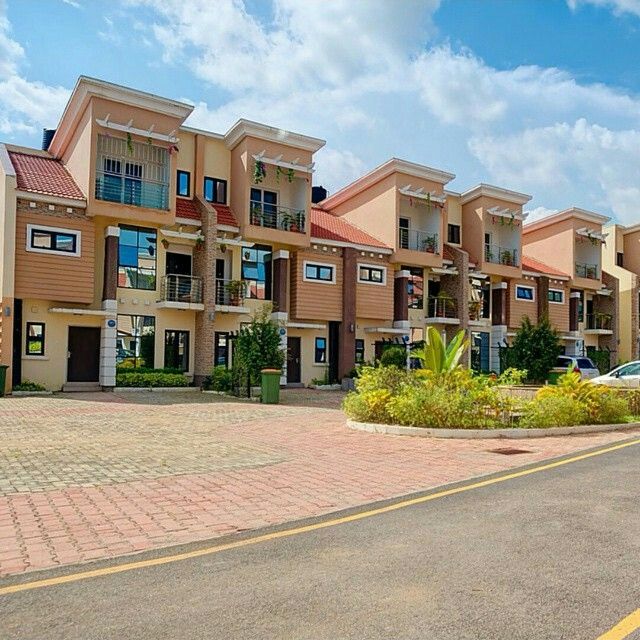
Abuja’s property market is not Lagos. It is calmer, more organised, and significantly less volatile — but it rewards investors who understand its specific dynamics.
According to data from The Africanvestor and Nigeria Property Centre, average asking rents in Abuja rose between 12% and 18% year-on-year in 2026. The drivers are structural: expensive construction finance, higher repair costs, strong demand from civil servants and government contractors, and a chronic shortage of quality housing in well-connected middle-income areas.
The critical insight for investors is this: the most prestigious Abuja addresses — Wuse 2, Jabi, and parts of Asokoro — often deliver the lowest rental yields, because purchase prices in those areas have risen faster than what the rental market can support. The best income returns in Abuja in 2026 are coming from a different tier entirely: well-located mid-market and emerging neighbourhoods where tenant demand is strong but entry prices remain reasonable.
Across Abuja as a whole, typical gross rental yields range from about 2% to 7%, with the highest yields found in mid-market and emerging areas rather than premium districts.
The Rankings: Abuja Neighbourhoods for Rental Income in 2026
1. Gwarinpa — The Most Bankable Yield in Abuja (6%–8%)
Gwarinpa is the standout performer for rental income investors in Abuja in 2026. According to property investment analysis from The Africanvestor and Otuo Chi Shelters, Gwarinpa delivers gross rental yields of 6% to 8% on completed mid-market property — the most consistent yield range in the city.
The reason is straightforward. Gwarinpa is one of Abuja’s largest planned residential districts, with a deep and diverse tenant pool: civil servants, mid-level government contractors, corporate employees, and families who want space without paying Maitama prices. A standard 2-bedroom flat here rents for approximately ₦1.5 million to ₦2.5 million per year. Entry prices for completed flats start from ₦35 million to ₦70 million — meaning the income-to-purchase ratio works in the landlord’s favour.
Gwarinpa also benefits from strong occupancy rates. Well-priced units here rarely sit empty for more than 30 to 60 days. The tenant pool is large enough that landlords have genuine pricing power, and annual rent increases of 12% to 15% have held consistently across the past three years.
Best for: Investors wanting steady, reliable rental income with a mid-range entry budget.
2. Dawaki and Karsana — The High-Yield Emerging Tier (7%–10%)
If Gwarinpa is the safe bet, Dawaki and Karsana are where the most ambitious yields in Abuja currently sit. According to data from Airealent’s 2026 Abuja Property Investment Guide, these two neighbourhoods are delivering gross yields of 7% to 10% — the highest in the city — driven by low purchase prices and rapidly growing rental demand from tenants priced out of more central areas.
Both areas sit on Abuja’s southern and eastern growth corridors, with improving road infrastructure and a wave of new estate development bringing quality housing stock into areas that previously had very little. A 2-bedroom flat in Dawaki can currently be purchased from ₦25 million to ₦50 million, while rents for well-finished units are already reaching ₦1.2 million to ₦2 million per year — numbers that translate into genuine double-digit yield potential for early movers.
The caveat: these areas are still developing. Road quality in parts of both neighbourhoods remains inconsistent, some infrastructure is incomplete, and tenant quality is more variable than in established districts. These are not set-and-forget investments — they reward active, attentive landlords who manage their properties well.
Best for: Investors with a 3 to 5 year horizon who want maximum yield and are comfortable managing properties in a developing area.
3. Maitama — Premium Yield From Premium Tenants (Around 7%)
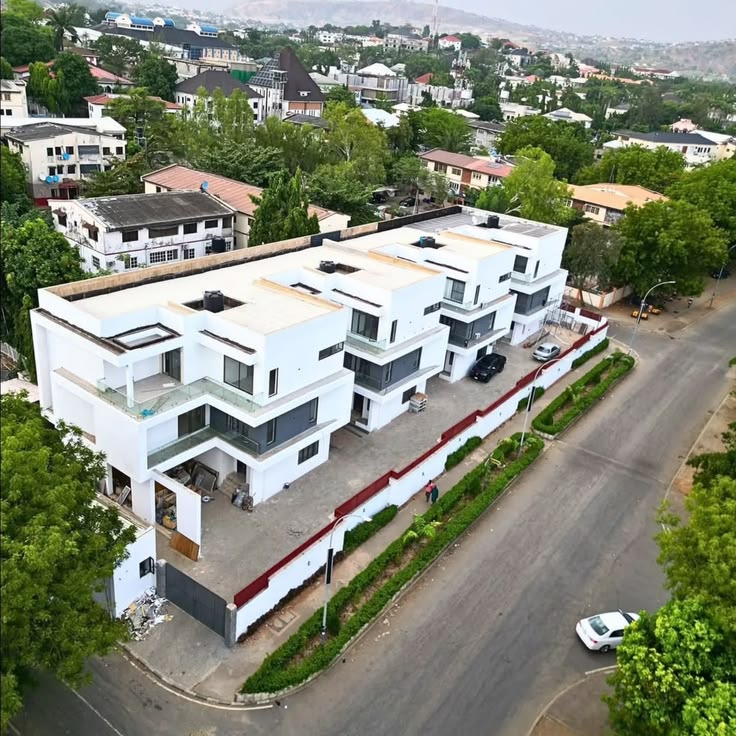
Maitama surprises most people when they see its yield figure. As of early 2026, The Africanvestor data puts Maitama’s gross rental yield at approximately 7% — the highest of any of Abuja’s established prestige districts and competitive with several mid-market alternatives.
The reason Maitama performs better than its purchase price might suggest is its tenant profile. Diplomats, embassy staff, C-suite executives, and senior government officials pay premium rents for Maitama addresses — and they pay reliably, on time, and with minimal maintenance demands. A standard 3-bedroom apartment in Maitama rents for ₦7.5 million to ₦15 million per year. Luxury detached houses command significantly more.
The entry cost reflects this quality. Buying in Maitama means deploying serious capital — ₦150 million upwards for a standard residential property, and considerably more for detached homes. The yield is there, but you need the capital to access it.
What Maitama gives you that no other Abuja neighbourhood can match is tenant certainty. Vacancy is rare, payment default is almost unheard of, and the area’s diplomatic and government security presence means infrastructure stays maintained regardless of broader city conditions.
Best for: High-net-worth investors and diaspora buyers who want premium tenants, minimal management stress, and long-term capital preservation alongside solid income.
4. Wuye, Life Camp and Lokogoma — The Consistent Middle Tier (5%–7%)
These three neighbourhoods form the backbone of Abuja’s mid-market rental sector — areas where steady demand from civil servants, NGO workers, and young families keeps occupancy rates high and yields dependable.
Wuye has emerged as one of Abuja’s fastest-growing suburbs, with rapid estate development and strong demand from tenants who want modern housing with good road access to the city centre. Life Camp consistently maintains strong occupancy due to its family-friendly environment, good schools, and community infrastructure. Lokogoma — often grouped with Gwarinpa as a value-for-money alternative — has newer building stock and is increasingly attracting tenants priced out of Gwarinpa itself.
Gross rental yields across this tier run from 5% to 7%. A 2-bedroom apartment in Life Camp or Wuye rents for approximately ₦1.8 million to ₦3.5 million per year, with entry prices for completed flats starting from ₦40 million to ₦80 million.
According to The Africanvestor’s 2026 rent analysis, the strongest rent growth in Abuja is concentrated in exactly these areas — Wuye, Life Camp, and Lokogoma among others — because they are catching tenants priced out of Jabi, Wuse 2, and Maitama. That overflow dynamic is what keeps vacancy rates low and gives landlords room to push rents annually.
Best for: Investors who want a reliable, manageable rental property with a broad tenant base and a mid-range entry budget.
5. Jahi and Guzape — Capital Growth With Emerging Income (4%–6%)
Jahi and Guzape are two of Abuja’s most talked-about investment destinations in 2026, and for good reason — but the story here is more about capital appreciation than current rental income.
Both areas are attracting significant developer activity. Guzape in particular is benefiting from its position as an upscale alternative to Maitama and Asokoro, with modern estate developments drawing diaspora returnees, senior professionals, and young high-income couples. Jahi offers a similar proposition — modern apartments, good estate management, and proximity to Life Camp and Wuse — at slightly more accessible entry prices.
Current gross rental yields in these areas run from 4% to 6%. They are not the highest in Abuja, because purchase prices have risen significantly on the back of developer activity and investor demand. A 2-bedroom apartment in Jahi or Guzape currently rents for ₦3 million to ₦5 million per year, with entry prices starting from ₦70 million to ₦150 million for completed units.
Where the real return case is made is on appreciation. Properties in Guzape have seen 30% to 40% price increases in the past 18 months, driven partly by the N16 interchange development which has materially improved connectivity to the area. Jahi is on a similar trajectory, with new estate completions pushing valuations upward quarter by quarter.
Best for: Investors who want a dual strategy — modest but growing rental income now, with strong capital appreciation over a 3 to 5 year hold.
6. Wuse 2 and Jabi — Lifestyle Addresses, Not Yield Investments (2%–3%)
Wuse 2 and Jabi are where people with choices choose to live. They offer the best combination of social amenities, restaurant scenes, modern apartments, and business district proximity in Abuja. Expats, NGO workers, and young professionals pay premium rents to be here.
And yet, for investors focused purely on rental yield, both areas currently disappoint. According to The Africanvestor, gross rental yields in Wuse 2 and Jabi sit at just 2% to 3% in 2026 — the lowest of any significant Abuja residential district. The reason is exactly the same as Ikoyi in Lagos: purchase prices have run far ahead of rental income, because speculative investor demand and developer activity have inflated valuations beyond what the rental market can justify.
A 2-bedroom apartment in Jabi rents for ₦2.5 million to ₦4.5 million per year. But buying that same apartment today means deploying ₦80 million to ₦150 million — which crushes the income ratio.
The investment case for Wuse 2 and Jabi is capital preservation, tenant quality, and liquidity — not cash flow. These are the most liquid residential markets in Abuja. If you need to sell, you will find a buyer. If income is what you need first, look elsewhere.
Best for: Investors who prioritise asset quality, fast resale, and premium tenants over income yield.
7. Lugbe and Kubwa — Budget Entry, Genuine Income (5%–7%)
For investors with a smaller budget, Lugbe and Kubwa represent the most accessible entry points into the Abuja rental market with genuine income potential.
Both areas serve Abuja’s large working-class and lower-middle-income tenant base — the segment that represents the largest portion of Abuja’s rental market by volume. A 2-bedroom flat in Lugbe rents for ₦700,000 to ₦1.5 million per year, with entry prices starting from ₦15 million to ₦35 million for basic to mid-range units.
At those entry prices, gross yields of 5% to 7% are achievable. The challenge is management — tenant turnover is higher than in mid-market areas, maintenance demands are more frequent, and the income is more sensitive to economic pressure on tenants. Active management is essential.
Best for: Investors with ₦15 million to ₦35 million who want to enter the Abuja rental market now and build toward a larger investment over time.
What Drives Rental Income in Abuja — The Factors Every Investor Must Know

Understanding which neighbourhoods rank highest is only half the picture. The other half is understanding what makes any individual property perform within its neighbourhood.
Power Reliability Is the Number One Premium Driver
In Abuja’s rental market, power supply commands the single biggest rent premium of any amenity. A property with a Band A AEDC feeder connection or a well-managed estate solar and inverter system will command 20% to 40% more rent than an equivalent property without reliable power. According to The Africanvestor, rent per square metre in Abuja rises significantly above average when an apartment has steady power backup, estate security, good road access, modern finishes, and water reliability.
Estate Management Matters More Than Location Alone
The specific estate matters as much as the neighbourhood. A well-managed gated estate in Lugbe with reliable security, maintained roads, and functioning facilities will outperform a poorly managed estate in Gwarinpa. Abuja’s tenant market is increasingly sophisticated — tenants pay for the estate experience, not just the address.
Proximity to Government and Commercial Districts
Abuja’s rental demand is overwhelmingly driven by civil servants, government contractors, NGO workers, and corporate employees. Properties within a 20 to 30 minute commute of the Central Business District, the Three Arms Zone, or the Wuse commercial hub command consistent occupancy regardless of which specific neighbourhood they sit in.
Which Neighbourhood Is Right for Your Investment Goals?
The right Abuja neighbourhood for rental income depends entirely on your budget, your timeline, and how actively you want to manage your investment.
- Choose Gwarinpa if you want the most reliable, consistent yield in Abuja with a mid-range budget and minimal management complexity.
- Choose Dawaki or Karsana if you want maximum yield potential, have a 3 to 5 year horizon, and are prepared to be an active landlord in a developing area.
- Choose Maitama if you have serious capital to deploy, want premium tenants, and can accept that your yield comes with a very high entry price.
- Choose Wuye, Life Camp, or Lokogoma if you want steady income from a broad, reliable tenant base and a manageable entry price.
- Choose Jahi or Guzape if you want a dual income-and-appreciation strategy with modern estate living as your product.
- Choose Lugbe or Kubwa if your budget is under ₦35 million and you want to enter the Abuja market now while you build toward a larger acquisition.
At MiraEmma Properties, we spend as much time helping clients understand which Abuja neighbourhood matches their financial timeline as we do showing them specific properties. The best investment decisions are made with clear data, not under the pressure of a hot listing.
Ready to find your highest-yield property in Abuja?
Frequently Asked Questions
Which neighbourhood in Abuja has the highest rental yield in 2026?
Dawaki and Karsana currently deliver the highest gross rental yields in Abuja — between 7% and 10% — driven by low purchase prices and growing tenant demand from residents priced out of central areas. Among established neighbourhoods, Gwarinpa is the most bankable, delivering consistent gross yields of 6% to 8% according to The Africanvestor and Otuo Chi Shelters property data.
Is Gwarinpa a good investment for rental income in Abuja?
Yes — Gwarinpa is widely regarded as the most reliable yield investment in Abuja for mid-market investors. Gross yields of 6% to 8% on completed mid-market property, a large and diverse tenant pool, low vacancy rates, and entry prices from ₦35 million to ₦70 million make it the most accessible high-yield neighbourhood in the city for investors with a mid-range budget.
Why do Wuse 2 and Jabi have low rental yields despite high rents?
Wuse 2 and Jabi command some of the highest absolute rents in Abuja — ₦2.5 million to ₦4.5 million per year for a 2-bedroom apartment. But purchase prices in both areas have risen significantly faster than rents, driven by speculative investor demand and developer activity. This means the income-to-purchase ratio — the gross yield — has fallen to just 2% to 3%. They are strong capital preservation and liquidity plays, not income plays.
Are Abuja rents rising or falling in 2026?
Rising. According to The Africanvestor’s 2026 Abuja rent analysis, average asking rents in Abuja are up approximately 12% to 18% year-on-year, with mid-market apartments in areas like Gwarinpa, Wuye, Life Camp, and Lokogoma rising faster than high-end properties. The drivers are strong: expensive construction finance, higher maintenance costs, and persistent demand from civil servants and government contractors in a city with limited quality housing supply.
What is the safest neighbourhood in Abuja for a first rental property investment?
For a first rental property investment, Gwarinpa offers the best combination of reliable yield, broad tenant demand, manageable entry cost, and low vacancy risk. Life Camp and Wuye are strong alternatives if you want slightly more upmarket tenants and are comfortable with a marginally higher entry price. All three are established, well-serviced areas with functioning infrastructure and consistent rental demand.