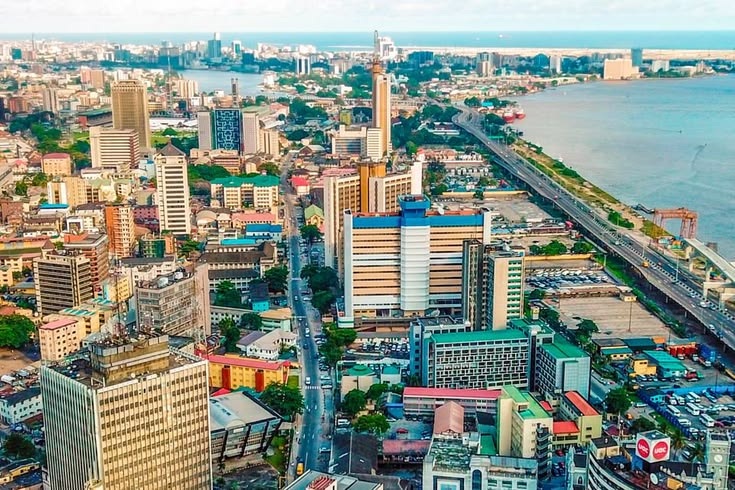
Not all Lagos addresses are created equal.
Two investors can buy properties of the same size, in the same city, and walk away with yields that are 6 percentage points apart — simply because one chose Yaba and the other chose Ikoyi. The city looks uniform on a map, but Lagos is actually a collection of wildly different micro-markets, each with its own price ceiling, tenant profile, and income potential.
This is the guide that cuts through the noise. Whether you are a first-time landlord trying to maximize your returns or a seasoned investor rebalancing your portfolio, here is what the numbers actually say about rental yields across Lagos in 2026.
1. Why Your Neighbourhood Choice Matters More Than Your Property Choice
Most investors spend months agonizing over the type of property to buy — 2-bedroom or 3-bedroom, flat or duplex, old build or new development. Very few spend that same energy on the more important question: where exactly should I buy?
According to data from The Africanvestor and Nigeria Property Centre, gross rental yields in Lagos currently range from as low as 3% in ultra-premium locations like Banana Island, all the way up to 9% in high-demand mainland areas like Yaba and Gbagada. That is a 6-percentage-point gap driven entirely by location.
The rule of thumb is simple: the higher the purchase price relative to what tenants will pay, the lower your yield. Prestige neighbourhoods attract speculative capital and luxury developers, which pushes sale prices far beyond what the rental market can justify. Meanwhile, areas with strong organic tenant demand — driven by universities, tech companies, and business clusters — deliver far stronger income returns.
The mistake most investors make is buying where the address sounds impressive. The smart move is buying where the numbers make sense.
2. The Low-Yield Island Addresses (3%–5%)
These are Lagos’s most prestigious locations, and they will give you the worst rental income returns of anywhere in the city.
Ikoyi — particularly Bourdillon Road, Parkview Estate, and Old Ikoyi — is where diplomats, expatriates, and senior executives live. Gross rental yields here sit between 3% and 4.5%. A typical 2-bedroom apartment rents for between N1,000,000 and N1,750,000 per month, but the purchase price per square metre in prime Ikoyi can reach N1,000,000/sqm — which completely crushes your income ratio. You buy here for capital preservation and tenant quality, not for cash flow.
Banana Island is even more extreme. Yields hover around 3% to 3.5%. This is trophy asset territory. The type of property you buy to say you own it, not to live off the income.
Victoria Island — especially around Oniru Estate and Water Corporation Road — is marginally better at 4.5% to 5%, boosted by strong commercial activity and a steady stream of expat tenants. But it remains a capital-appreciation play, not an income strategy.
The one interesting outlier on the Island is Eko Atlantic City, where yields sit at approximately 6.5%. Newer building stock, significant short-let demand, and the fact that many transactions are USD-denominated all help push the numbers higher than you would expect from an Island address.
3. The Mid-Yield Corridor — Lekki and Its Neighbours (4%–8%)
This is where the majority of Lagos investors currently operate, and for good reason. The Lekki corridor gives you a workable balance of rental income and long-term capital appreciation.
Lekki Phase 1 is Lagos’s most liquid real estate market. Gross yields here run from 4.4% to 6%, with a typical 2-bedroom apartment renting for N350,000 to N700,000 per month. The tenant pool is deep — young professionals, corporate staff, and families all compete for well-finished units here. Be aware, however, that parts of Lekki Phase 1 — particularly along Admiralty Way and Chevron Drive — are showing signs of short-let saturation, which can suppress yields if your building has too many competing units.
Ajah and Sangotedo have matured significantly over the past three years and now deliver gross yields of 6% to 8%. The Lekki-Epe corridor infrastructure improvements have tightened vacancy rates here, and the area offers one of the better combinations of income and appreciation available in Lagos today.
Ikeja GRA, Ogudu GRA, and Magodo Phase 2 round out this tier with yields of 5% to 8%. These are established residential markets with reliable corporate tenant pools. They are more resilient during economic downturns than their Island counterparts, and they offer lower entry prices than equivalent properties in Lekki.
The two most underrated addresses in this bracket are Osapa London and Ikate-Elegushi in inner Lekki, both delivering 5% to 8% gross at entry prices below Lekki Phase 1. Most investors skip these because they are not as well-known. That is precisely why the numbers are better.
4. The High-Yield Mainland — Where the Real Income Is (7%–9%)
If rental income is your primary goal, the answer has been sitting on the Mainland the entire time.
Yaba is the standout performer. Gross yields here run from 6% to 9%, making it the highest-yielding market in Lagos for residential property. The reason is structural: Yaba sits at the intersection of the University of Lagos, Lagos’s growing tech sector, and a dense cluster of creative businesses. That combination produces relentless rental demand from young professionals, students, and startup employees — a tenant pool that is large, reliable, and always growing. A compact 1-bedroom or studio unit here is one of the best income-generating assets you can own in Lagos today.
Surulere — particularly around Bode Thomas and Adeniran Ogunsanya streets — delivers 6% to 8% gross, with a broader tenant base and a lower entry price than Yaba. It is the more accessible option for investors who want mainland yields without the premium that Yaba now commands.
Gbagada and Maryland are the most consistent performers in this tier, delivering 7% to 9% gross year after year. Gbagada’s position between the Island and the Mainland makes it attractive to commuters from both directions. Maryland’s proximity to the Ikeja aviation cluster keeps corporate tenant demand steady regardless of what is happening in the broader economy.
Ikeja itself — outside the GRA — rounds out the high-yield zone at 7% to 8% gross. Entry costs here are significantly lower than Island equivalents, and the commercial energy of the area keeps vacancy rates low.
5. The Long Game — Ibeju-Lekki (Not an Income Play, But a Wealth Play)
Ibeju-Lekki deserves its own category because it does not fit neatly into any yield bracket.
Rental income here is currently below the market average. If you are buying in Ibeju-Lekki today expecting immediate cash flow, you will be disappointed. This area is not ready for that yet.
What Ibeju-Lekki is ready for is land appreciation. Over the past decade, land values here have risen by over 300%, driven by the Dangote Refinery, the Lekki Deep Sea Port, and the Lagos Free Trade Zone. Properties within 5km of the Lagos-Calabar Coastal Highway — the first section of which opened in 2025 — are already registering price increases of 25% to 40%.
Investors buying here are not buying income. They are buying a position in what Lagos will look like in 10 years. That is a legitimate strategy, but it requires patience, a verified land title, and a clear understanding that your money will be tied up for years before it pays off.
6. What Type of Property Earns the Most?

Across every neighbourhood in Lagos, the data points to the same answer: studios and compact 1-bedroom apartments generate the highest yields per square metre, typically 1 to 2 percentage points above larger family units.
The reason is demand. Young professionals, single workers, and young couples in Lagos prioritize location over space. They will pay a disproportionately high rent for a well-located, well-finished compact unit because the alternative — commuting from a cheaper area — costs them time and money they do not want to spend.
To put real numbers to it, a 2-bedroom apartment in Lagos currently rents for:
– N150,000 to N300,000 per month in affordable Mainland areas like Surulere, Ogba, and Gbagada
– N350,000 to N700,000 per month in mid-market zones like Lekki Phase 1, Ikeja GRA, and Magodo
– N1,000,000 to N1,750,000 or more per month in premium Island locations like Ikoyi and Victoria Island
Luxury 4-bedroom apartments and standalone mansions in Ikoyi or Banana Island consistently deliver the worst yields in the city. The absolute rents are high, but the purchase prices are so much higher that the income ratio collapses.
7. The Costs That Eat Into Your Yield (And That Nobody Tells You About)

Every yield figure in this article is gross, meaning before the real costs of being a Lagos landlord are deducted. There are four costs you must account for before you celebrate a headline number.
First, property management fees. If you are not managing the property yourself, expect to pay 10% to 15% of your annual rent to a management company. This is money well spent — bad tenants and deferred maintenance will cost you far more — but it must be factored in.
Second, withholding tax. Nigeria levies a 10% withholding tax on rental income, deducted at source before the money reaches you. On a property earning N600,000 per month, that is N720,000 per year, leaving your account before you even see it. This catches many first-time Lagos landlords completely off guard.
Third, service charges and maintenance. In a serviced estate, annual charges can run from N500,000 to over N2,000,000 depending on the quality of facilities. Factor this in before you fall in love with the swimming pool and gym.
Fourth, vacancy. A well-priced unit in Lagos typically finds a tenant within 30 to 90 days. An overpriced unit can sit empty for six months. Every month of vacancy is a month of zero income. Price competitively from day one.
After all four deductions, net yields typically run 1.5 to 3 percentage points below your gross figure. A 7% gross yield in Yaba may net 4.5% to 5.5% after costs, which is still comfortably ahead of inflation and significantly better than leaving money in a naira savings account.
Which Area Is Right for You?
There is no universal answer. The right neighbourhood depends entirely on what you are trying to achieve.
If you want premium tenants and long-term capital preservation, buy on the Island — Ikoyi or Victoria Island — and accept modest income returns in exchange for asset quality.
If you want the best balance of income and appreciation in the city today, the Lekki-Ajah corridor is your answer. It is the most liquid, most diversified real estate bet in Lagos right now.
If maximizing rental income is your priority and you have a mid-range budget, go Mainland — Yaba, Gbagada, or Surulere. The yields are real, the tenant demand is genuine, and the entry prices are accessible.
If you are thinking in decades and can tolerate years of limited income in exchange for significant long-term gains, Ibeju-Lekki offers a compelling land banking opportunity — provided you have done your title verification properly.
At MiraEmma Properties, we have helped investors across all four of these strategies find the right properties in the right locations. We do not just show you listings; we show you the numbers behind the listings so that every decision you make is grounded in data, not hope. Safely invest in Nigerian real estate from abroad.
Ready to find your highest-yield investment in Lagos?
Frequently Asked Questions
What is the average rental yield in Lagos in 2026?
Across Lagos as a whole, typical gross rental yields for residential investment properties range from 4% to 7%, with ultra-prime areas like Banana Island and old Ikoyi often falling below 5% and high-demand mainland areas like Yaba and Gbagada reaching 7% to 9%.
Which area in Lagos has the highest rental yield?
As of 2026, Yaba, Gbagada, and Maryland consistently deliver the highest gross rental yields in Lagos, ranging from 7% to 9%. These mainland neighborhoods benefit from strong organic tenant demand from tech workers, students, and young professionals, combined with lower purchase prices relative to rental income.
Is Lekki a good investment for rental income in 2026?
Lekki Phase 1 offers a gross yield of approximately 4.4% to 6%, making it a moderate-income investment but a strong capital appreciation play. For better yields within the Lekki corridor, look at Ajah, Sangotedo, Osapa London, and Ikate-Elegushi, which deliver 6% to 8% gross.
Are rental yields in Lagos going up or down in 2026?
Rent growth in Lagos for 2026 is projected between 10% and 25%, with prime submarkets expected to see the largest increases due to limited new supply. However, purchase prices have also risen roughly 18% in naira terms over the past year, meaning yield ratios remain broadly stable rather than expanding significantly.
What property type gives the best yield in Lagos?
Studios and compact 1-bedroom apartments deliver the highest yields per square metre in Lagos, typically 1 to 2 percentage points above larger units. They benefit from a wider tenant pool and faster rental turnover.
How does the 10% withholding tax affect Lagos rental yields?
The 10% withholding tax on rental income is deducted at source before you receive payment. On a property generating N600,000 per month in rent, this deduction amounts to N720,000 per year — a significant cost that must be factored into net yield calculations alongside management fees and maintenance costs.