
Flood insurance Abuja owners hold today is often thinner than they think. The compulsory insurance in Nigeria’s new insurance law mostly protects other people: workers, neighbours, tenants, and visitors. It does not automatically pay to repair your own flooded building. Most basic property policies also exclude flood unless you add it.
After the August 2026 floods that hit Maitama, Wuse 2, and Gwarinpa, that gap matters. This guide explains what the law requires, what it does not, and how to check whether your building is really covered. It is general information, not insurance or legal advice.
What the Law Makes Compulsory
The Nigerian Insurance Industry Reform Act 2025 (NIIRA) replaced the Insurance Act 2003. Two sections matter for property owners.
Section 75: builders’ liability. Anyone constructing a building of more than one floor must insure their liability for construction risks. That covers injury or death to workers and others on site. The policy must be bought immediately after building plan approval and before construction starts. The fine is ₦5 million, up to 12 months in prison, or both.
You may see “more than two floors” in older articles and some 2026 coverage. That was the threshold under the repealed 2003 Act. The 2025 Act’s text says more than one floor.
The Abuja Metropolitan Management Council (AMMC) used the one-floor threshold when it announced enforcement in June 2026. It also launched a centralised digital platform for submitting and verifying policies.
Section 76: public buildings. Every public building must be insured against collapse, fire, earthquake, storm, flood, and other hazards the regulator may add.
The Act defines public buildings broadly. They include a tenement house of more than one floor, a hostel, any building occupied by a tenant, lodger, or licensee, and buildings the public enter for education, medical care, recreation, or business.
Penalties apply, and the regulator can ask the approving authority to seal non-compliant buildings. Published summaries disagree on the exact fines and jail terms for section 76, so check the Act before you quote a figure.
The Catch: Compulsory Cover Is Liability Cover
Read section 76(2) carefully. The required policy covers the legal liabilities of the owner and occupier for loss or damage to property, or for injury or death, suffered by users of the premises and third parties.
That is liability insurance. It protects the people harmed if your building collapses or floods. It is not the same as a building policy that pays you to repair or rebuild. A landlord who holds only the compulsory policy could still face a large repair bill after a flood.
Builders’ liability works the same way. It covers third-party harm during construction, not damage to your own finished building.
What the Law Does Not Require From Homeowners

Legal commentary on the Act reads the definition this way: a single-family home that you and your family occupy is not a public building. Nothing I found makes it compulsory to insure an owner-occupied home against flood.
That changes if you rent it out, split it into multiple units, or use it commercially. A building occupied by a tenant falls within the public building definition. Our look at the Abuja rent surge covers the landlord and tenant side of those arrangements.
Lenders can ask for more than the law does. Commentary says banks usually require property insurance on a mortgaged home. If you are financing a purchase, see our guide to the MREIF mortgage.
Separately, section 91(3) requires credit life insurance for loans of ₦10 million and above. That cover pays the loan if the borrower dies or is permanently disabled. It does not insure the building.
Why “Insured” Often Does Not Mean “Covered for Flood”
A basic fire policy covers fire. Brokers explain that flood, storm, and inundation are commonly sold as extensions or as a special perils section, not as automatic cover. Guides to Nigerian home insurance also list flood as a key exclusion under most basic policies.
Four things commonly reduce a payout even when flood is included:
- Sub-limits and deductibles. Flood cover often carries its own limits and excess. One guide reports typical excesses of 5% to 10% of the claim, with a minimum of ₦10,000. Treat that as indicative and read your own schedule.
- Underinsurance. If your sum insured is well below the real value, the insurer may pay only a proportion of the loss.
- Standard exclusions. Wear and tear, gradual deterioration, and construction or design faults are commonly excluded.
- Government action. Property policies commonly exclude loss from government action. After the FCTA’s waterway enforcement, covered in our report on Abuja demolition in 2026, do not assume a policy will pay for a demolished structure. Ask your insurer in writing.
What Does It Cost?
Pricing depends on the property, location, and cover. One 2025 guide to Nigerian property insurance puts basic building and contents cover at 0.5% to 1.5% of the insured value a year. On a ₦50 million building, that works out to about ₦250,000 to ₦750,000 a year. Flood extensions can add to the premium.
These are indicative figures from a guide, not a rate card. Get written quotes from at least two insurers or a broker, with flood cover itemised.
A 10-Minute Policy Check
Pull out your policy schedule and check each point:
- Is flood named? Look for flood, inundation, or storm as insured perils, not just fire.
- Is the sum insured realistic? Compare it with what it would cost to rebuild today, not the price you paid.
- What is the deductible or sub-limit for flood? Know the amount you carry yourself.
- Is it building cover, contents cover, or both? Many policies cover only one.
- Does it include loss of rent or alternative accommodation? Landlords should ask.
- What are the exclusions? Read the wording on government action, construction faults, and gradual damage.
- Is the premium paid and the policy in date? An expired policy pays nothing.
If Your Property Floods: Claims Steps
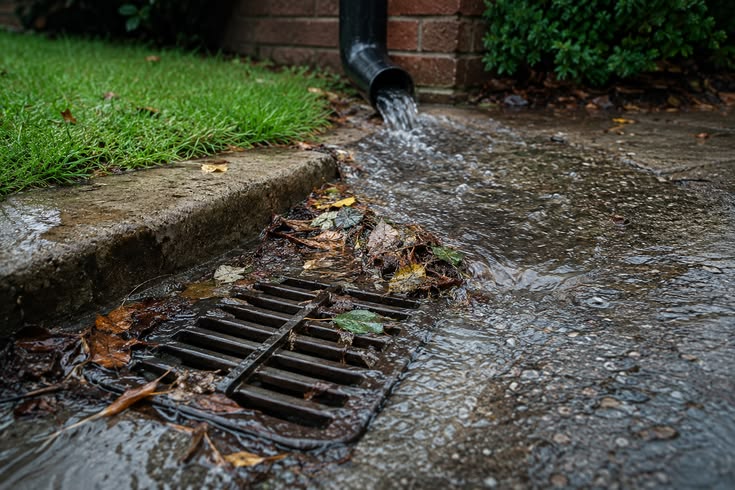
After the July 2026 Lagos floods, the Nigerian Insurers Association urged policyholders to notify their insurers, brokers, or agents promptly. It said early notification and supporting documents help claims get assessed and settled sooner. The same advice applies in Abuja.
- Notify your insurer or broker in writing as soon as it is safe to do so
- Photograph and video the damage before any cleaning or repair
- Keep damaged items until the loss assessor has seen them, if you can
- Keep receipts for emergency repairs and temporary housing
- Gather your policy schedule, proof of ownership, and proof of premium payment
- Follow up in writing and keep a record of every response
The Act also sets deadlines and penalties for insurers that fail to settle valid claims on time. If a claim stalls, escalate through your broker and then the regulator, NAICOM.
What This Means for Landlords, Buyers, and Developers
Landlords. If a tenant occupies your building, section 76 likely applies. Confirm you hold the compulsory liability cover, then ask separately about building and loss-of-rent cover for flood.
Buyers. Add insurance to your due diligence checklist. Ask the seller for the current policy and claims history. Ask whether the street or estate has flooded before, as in the district-level problems we covered in our report on Gwarinpa flooding in 2026. Budget for premiums alongside the other hidden costs of ownership.
Developers. Builders’ liability is now an approval-stage requirement for buildings above one floor in the FCT, with the AMMC platform handling verification. Build the premium and the paperwork into your timeline.
Lagos Is Moving First
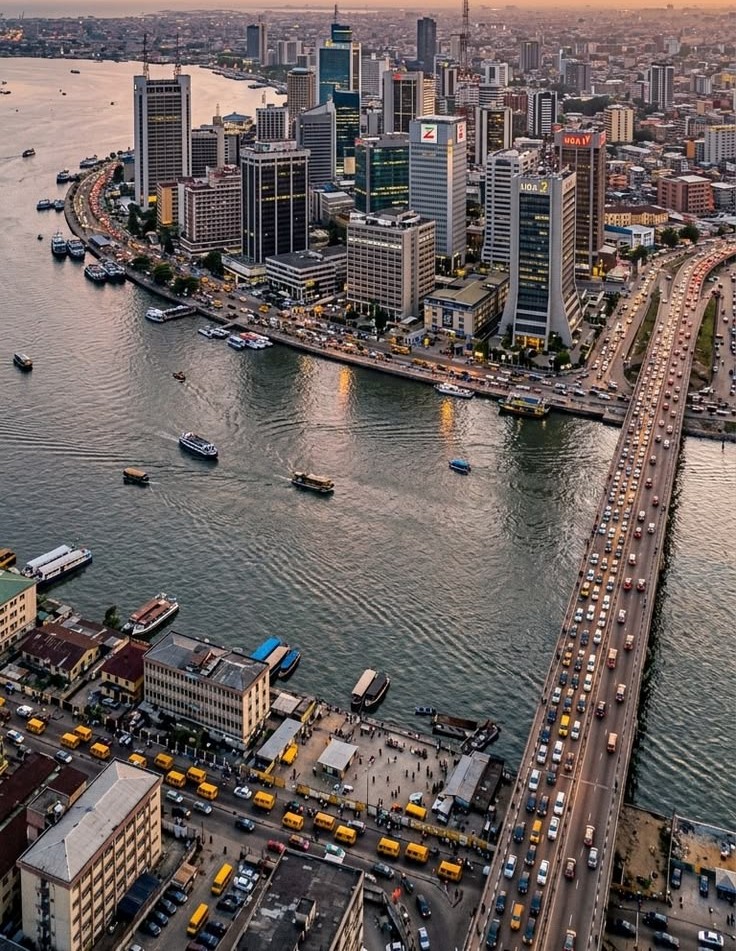
Lagos launched its State Building Insurance Scheme in August 2026. ThisDay described it as the first comprehensive state-level rollout of the compulsory building insurance provisions in NIIRA. Its first phase targets public buildings, commercial structures, hotels, schools, and buildings above two floors.
Brokers also report that Lagos activated a parametric flood insurance policy in March 2026, providing up to US$7.5 million for flood response and recovery.
Abuja has not announced a comparable scheme that I could find. The AMMC builders’ liability programme is the closest FCT equivalent. Owners should not wait for one.
Conclusion: Check Before the Next Rains
The law pushes liability insurance onto builders and the owners of public buildings. It does not guarantee that your building, your rent, or your savings are protected against flood. Most owners need to read their policy, ask about flood in writing, and set the sum insured at a realistic rebuild cost.
At MiraEmma Properties, we help owners and buyers look at flood exposure and insurance gaps before they become expensive. If you want a second pair of eyes on a property’s risk, talk to our team.
.
Frequently Asked Questions
Is flood insurance compulsory in Abuja? Not for an ordinary owner-occupied home. NIIRA 2025 makes liability insurance compulsory for buildings under construction above one floor and for public buildings. Public buildings include tenanted buildings and multi-floor tenements, and flood is among the hazards listed.
Does compulsory insurance pay for my flood damage? Usually not. The section 76 policy covers the owner’s and occupier’s legal liability to users and third parties. A separate building policy with flood cover is what pays for repairs to your own property.
Does home insurance in Nigeria cover flooding? Often not by default. Flood is commonly sold as an extension or special perils section, and many basic policies exclude it. Check that flood or inundation is named in your schedule.
What is the threshold for builders’ liability insurance? More than one floor, according to the Act’s text and the AMMC’s June 2026 announcement. Some articles still cite two floors, which was the rule under the repealed 2003 Act.
How much does property insurance cost? One 2025 guide reports 0.5% to 1.5% of insured value a year for basic building and contents cover. Flood extensions can add to the premium. Get written quotes.
What should I do first if my property floods? Notify your insurer, broker, or agent promptly in writing, photograph the damage, keep damaged items and receipts, and submit supporting documents.
Will insurance pay if the FCTA demolishes my building? Do not assume so. Property policies commonly exclude loss from government action. Ask your insurer to confirm in writing what your policy says.