
You have N100 million ready to deploy. You know that leaving it in the bank is financial suicide due to inflation, so you are ready to buy real estate. But immediately, you hit the ultimate investor crossroads:
Do you buy a block of residential apartments, or do you buy into a commercial retail plaza?
Both asset classes have created billionaires in Nigeria. Both offer excellent hedges against the devaluation of the Naira. However, they operate on completely different financial engines. They attract different tenants, require different management styles, and respond differently to the 2026 economy.
If you want to maximise your Return on Investment (ROI) while minimising your stress, you cannot guess. You need data.
In this comprehensive guide, we will tear down the differences between commercial and residential real estate in Nigeria’s two biggest markets—Lagos and Abuja—so you can deploy your capital exactly where it belongs.
1. Residential Real Estate: The Shield and the Steady Stream

Residential real estate encompasses anything where people live: detached duplexes, terraces, blocks of flats, and studio apartments. In a country with a housing deficit exceeding 28 million units, this is the bedrock of the market.
The Unbeatable Advantages:
- Recession-Proof Demand: People can close their businesses, but they cannot live on the street. Even in a tough economy, residential properties—especially 1 and 2-bedroom apartments—rent out rapidly.
- The “Short-Let” Arbitrage: In 2026, residential property isn’t just about yearly rent. By converting a residential unit in Victoria Island or Wuse II into a premium Short-Let (Airbnb), investors are achieving commercial-level yields (15% – 25% ROI) from residential assets.
- High Liquidity: If you suddenly need to liquidate your asset to raise cash, it is exponentially easier to find a buyer for a N60 million terrace house than a N600 million warehouse. The buyer pool is massive.
The Hidden Realities (Cons):
- Tenant Fatigue & Turnover: Residential leases are typically 1 to 2 years. This means you are constantly dealing with tenant renewals, move-outs, and the vetting of new occupants.
- The Maintenance Burden: When the plumbing leaks or the roof caves in, the residential landlord gets the midnight phone call. Maintenance costs eat into your net yield significantly.
Top Residential Micro-Markets for 2026:
LAGOS:
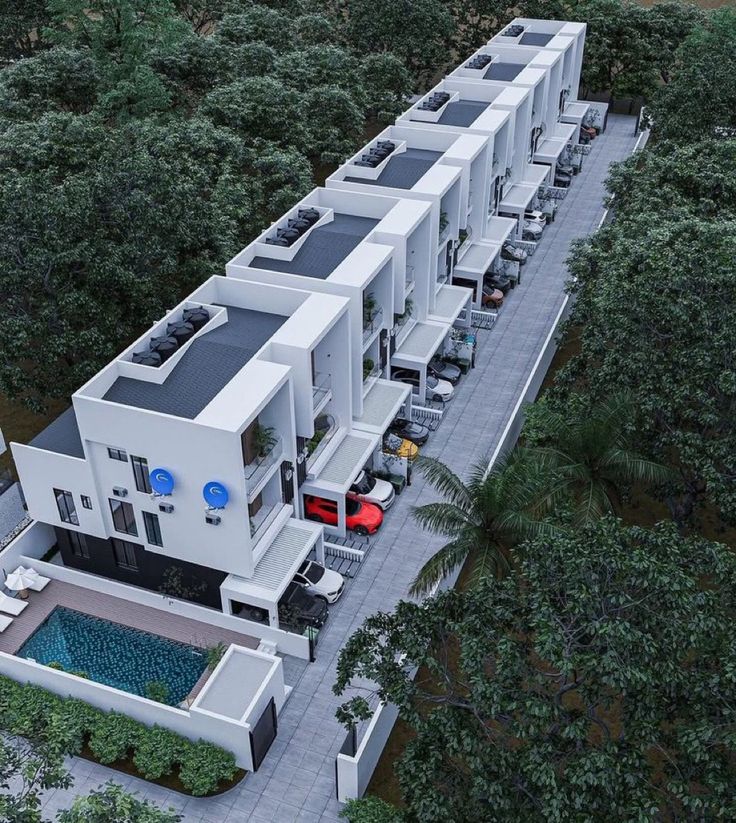
- The High-Yield “Short-Let” Hubs: Ikate, Lekki Phase 1, and Victoria Island. These are the undisputed kings of the Airbnb and corporate leasing market. Properties here command premium daily rates due to their proximity to nightlife, business centres, and the expatriate community.
- The Transit-Driven Mainland: Yaba, Ikeja GRA, and Surulere. Fueled by the full operation of the Red and Blue Line trains, these areas are experiencing a renaissance. Young tech professionals and executives are moving here to bypass Island rents while enjoying a seamless, 30-minute train commute to the CBD.
- The “New Lagos” Expansion: Sangotedo, Ibeju-Lekki, and Epe. As infrastructure like the Coastal Highway and the Deep Sea Port mature, these areas offer the best long-term capital appreciation. They are perfect for investors looking to buy 1-2 bedroom apartments for the emerging workforce in the Free Trade Zone.
- The Ultra-Luxury Safe Havens: Ikoyi and Banana Island. For institutional investors, these areas remain the ultimate store of value. While the entry price is massive, the rental yields are often paid in foreign currency by multinational corporations.
ABUJA:
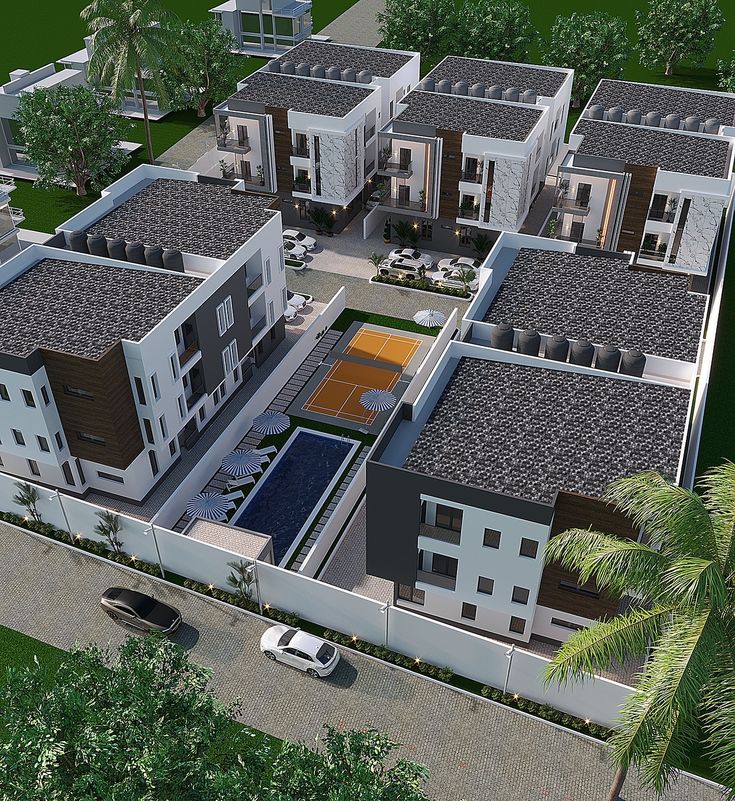
- The “New Elite” Corridors: Guzape and Katampe Extension. Guzape has rapidly become the “New Asokoro” due to its elevated topography and luxury estates. Katampe Extension, unlocked by new interchanges, is the diplomatic zone of choice. Both offer massive capital appreciation and high-tier tenant profiles.
- The High-Demand Mid-Tier: Wuye and Jahi. Geographically centred and highly accessible, these districts are the “sweet spot” for rental velocity. A 2-bedroom terrace here rarely stays empty for more than a week due to high demand from mid-level civil servants and young professionals.
- The Smart Suburban Belts: Life Camp, Lugbe, and Idu. Lugbe’s proximity to the Airport Road makes it a favourite for frequent travellers, while Idu is seeing a massive surge due to the operationalised Light Rail and its growing industrial/residential mix. These are excellent entry points for beginner investors.
2. Commercial Real Estate: The Heavyweight Cash Cow
Commercial real estate includes office buildings, retail spaces, shopping malls, and warehouses. This is where institutional money plays.
The Unbeatable Advantages:
- Massive Cash Flow & Yields: Commercial properties generally command a much higher rent per square meter. A well-placed retail shop in a busy plaza will out-earn a residential flat of the exact same size by a wide margin.
- Long-Term Tenant Stability: Businesses hate moving. It disrupts their operations and confuses their customers. Corporate tenants will sign leases for 3, 5, or even 10 years, paying multiple years upfront.
- The “B2B” Relationship: You are dealing with business owners, not emotional families. Furthermore, in many commercial leases, the tenant is responsible for the interior maintenance and customisation of the space, drastically reducing your repair bills.
The Hidden Realities (Cons):
- The High Barrier to Entry: You cannot buy a meaningful commercial space with N30 million. Prime office spaces and retail plazas require heavy capital, often running into hundreds of millions or billions of Naira.
- Economic Vulnerability: Commercial real estate is highly sensitive to the broader economy. If consumer spending drops, businesses close.
- Longer Vacancy Periods: If a corporate tenant leaves, it might take 6 to 12 months to find another company willing to take over a large, specialised space.
Top Commercial Micro-Markets (2026):

- Lagos: Victoria Island (still the corporate king), Ikeja GRA, and the Lekki Phase 1 Commercial Corridor (Admiralty Way).
- Abuja: Maitama, the Central Business District (CBD), and Wuse II (the undisputed retail and hospitality hub).
The 2026 Trend: The “Mixed-Use” Compromise
Can’t decide? The market has engineered a solution that is currently dominating sales in 2026: Mixed-Use Developments.
Smart developers are now building structures that combine both. Picture a 5-story building in Lekki: the ground floor is a retail supermarket, the first floor is open-plan office space, and the top three floors are luxury residential apartments.
By investing in mixed-use properties, you diversify your risk within a single building. The commercial spaces provide heavy, long-term cash flow, while the residential units guarantee zero vacancy and high liquidity.
Comparison Matrix: At a Glance
| Feature | Residential Property | Commercial Property |
| Barrier to Entry | Low to Medium (₦75m – ₦150m) | High (₦150m – ₦1B+) |
| Lease Duration | Short (1 – 2 Years) | Long (3 – 10 Years) |
| Maintenance Cost | High (Landlord bears most) | Low (Tenant handles interior) |
| Liquidity (Ease of Sale) | High (Sells quickly) | Low (Takes time to find buyers) |
| Average Net Yield | 4% – 7% (Up to 20% if Short-let) | 8% – 12%+ |
The Final Verdict: Which Investor Profile Are You?

There is no universal “best” choice; there is only the best choice for your current financial stage.
Profile A: The Starter / Active Income Seeker
If you are buying your first or second investment property, or if your primary goal is to generate aggressive monthly cash flow to replace your salary, go Residential. Specifically, target 1-bedroom or 2-bedroom units in prime locations and convert them into short-lets.
Profile B: The Wealth Preserver / Institutional Player
If you already have a portfolio of houses, possess heavy capital, and want to park your money in a low-stress, long-term asset that pays you massive bulk sums every 3 to 5 years, go Commercial.
At MiraEmma Properties, we do not just sell buildings; we align assets with your financial goals. Whether you are looking for a high-yield commercial retail space in Wuse II or a fast-renting residential apartment in Sangotedo, we have a curated, verified portfolio ready for your capital.
Stop guessing with your life savings. Invest with a strategy.