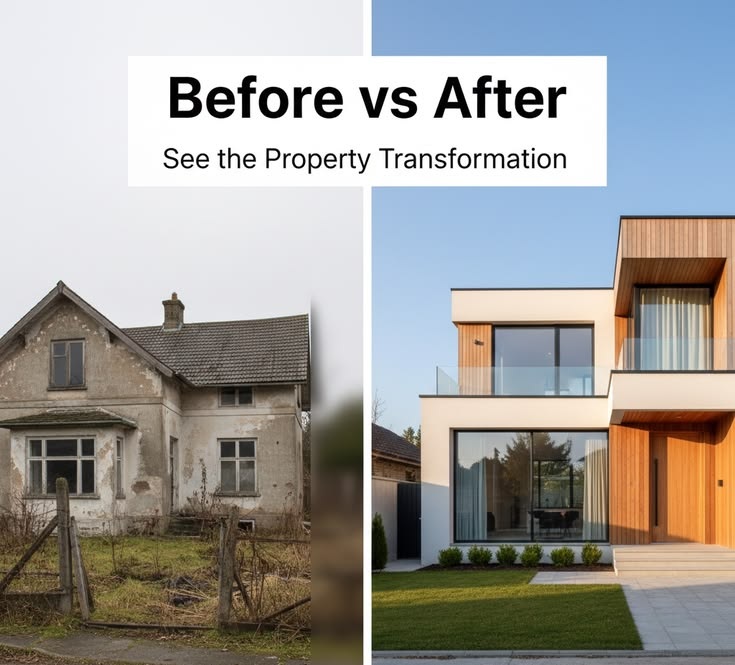
If you drive through the most prestigious, centrally located districts of Lagos (like Ikeja GRA, Surulere, or early Lekki Phase 1) or Abuja (like Wuse or Garki), you will notice a striking contrast. Right next to a gleaming, ultra-modern smart home sits a dilapidated, 30-year-old house with a fading roof and overgrown weeds.
Most amateur investors drive past that old house without a second thought. They want the shiny new smart home.
The wealthy investor, however, stops the car. They don’t see an ugly house; they see the highest Return on Investment (ROI) opportunity in the Nigerian real estate market today.
This strategy is known as House Flipping (or the Buy, Rehab, Sell/Rent model).
In 2026, as prime land in city centres becomes impossibly scarce and expensive, the smartest capital is no longer chasing “empty bush” on the outskirts. It is buying the “worst house on the best street,” renovating it, and cashing out massive margins. Here is your comprehensive guide to mastering the art of the flip in Nigeria.
Why Flipping is the Ultimate 2026 Wealth Strategy
The logic behind flipping older properties in Nigeria is grounded in simple geography and economics.
- The Location Premium: The best locations in Lagos and Abuja were fully built up in the 1990s and 2000s. There is no more “free land” in Wuse II or Victoria Island. The only way to acquire property in these high-demand, high-rent zones is to buy what is already there.
- The “Japa” Phenomenon & Distressed Sales: We are currently seeing a wave of “distressed” properties hitting the market. Families relocating abroad are liquidating inherited family homes quickly and often below market value to raise foreign exchange.
- The Cosmetic Discount: Buyers in Nigeria are highly visual. A house that simply needs new tiles, modern POP ceilings, and a fresh coat of paint will often sell for 30% to 40% less than a renovated house right next door. You are essentially being paid a premium to manage a renovation.
The “Golden Zones” for Flipping
You cannot flip a house in a neighbourhood nobody wants to live in. Your profit is tied entirely to the desirability of the district.
Top Flipping Corridors in Lagos:
- Surulere & Yaba: The undisputed kings of the Mainland flip. The housing stock is older, but the demand from young tech professionals and Island commuters is infinite.
- Ikeja GRA & Magodo: Perfect for high-end luxury flips. Buyers here want modern aesthetics but love the mature trees and security of these older GRAs.
- Lekki Phase 1 (Right Side): Many of the original houses built 15-20 years ago look dated compared to 2026 standards. Buying these, gutting the interiors, and installing modern smart-home tech yields multi-million Naira profits.
Top Flipping Corridors in Abuja:
- Wuse (Zones 1-6) & Garki: These are the commercial and residential heartbeats of the city. Buying an old 4-bedroom house, renovating it, and converting it into a commercial office space or a premium short-let is a guaranteed cash cow.
- Asokoro & Maitama (Early Builds): High-net-worth buyers want these addresses, but they don’t want 1990s architecture. Upgrading facades and interiors here requires heavy capital but delivers staggering returns.
The 4 Rules of a Profitable Flip
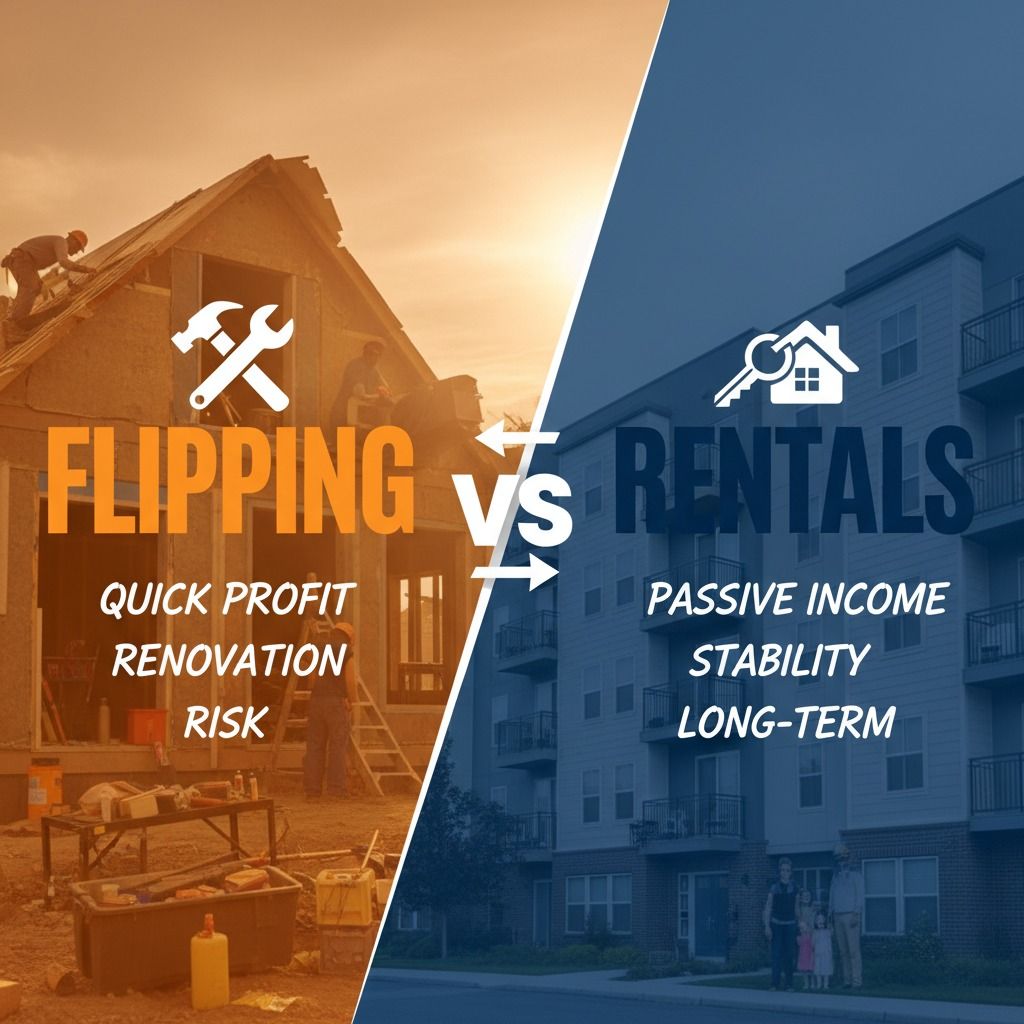
House flipping is not a hobby; it is a mathematical formula. If you let your emotions drive the renovation, you will lose money. Stick to these four rules:
1. The ARV Formula (After Repair Value)
Before you buy an old house, you must know exactly what it will sell for after it is beautifully renovated.
- The Rule: Your Purchase Price + Renovation Costs should never exceed 70% to 75% of the ARV. The remaining 25% is your profit margin and buffer for unexpected expenses.
2. Avoid “Structural” Nightmares
A profitable flip is a cosmetic flip (paint, tiles, kitchen cabinets, bathrooms, doors, lighting).
- The Warning: Never buy a house with a sinking foundation, severe structural cracking, or one that requires a completely new roofing truss system. Structural repairs are “invisible” to the final buyer—they won’t pay extra for a good foundation, but it will eat all your profits.
3. Speed is Your Best Friend
In Nigeria, time literally costs money due to inflation. If you drag a renovation out for 12 months, the price of imported tiles, sanitary wares, and cement will likely increase, destroying your budget. A good flip should be completed and back on the market within 3 to 5 months.
4. The “Short-Let” Safety Net
Always have a Plan B. If the market slows down and you cannot sell the flipped house immediately for your target price, the property must be in a location where it can be highly profitable as a Short-Let (Airbnb) or premium yearly rental. This ensures you are never holding a “dead” asset.
The Hidden Traps of Older Properties
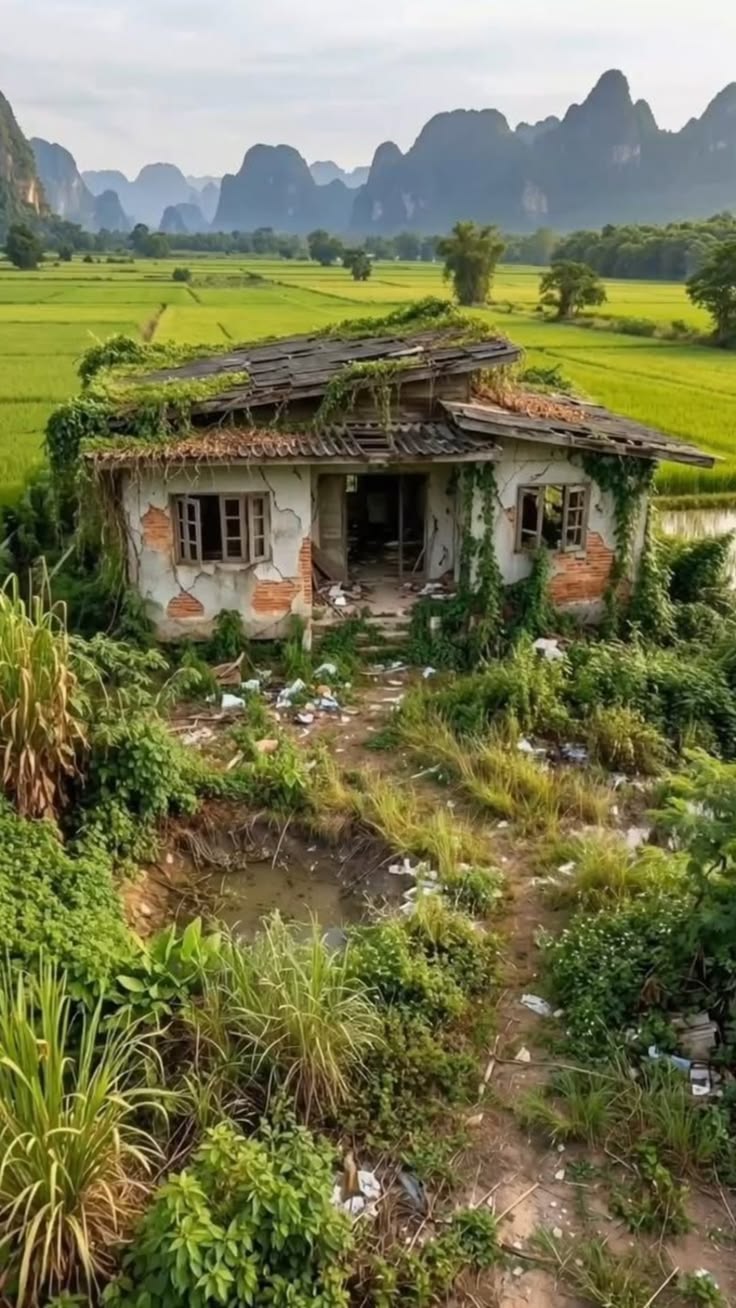
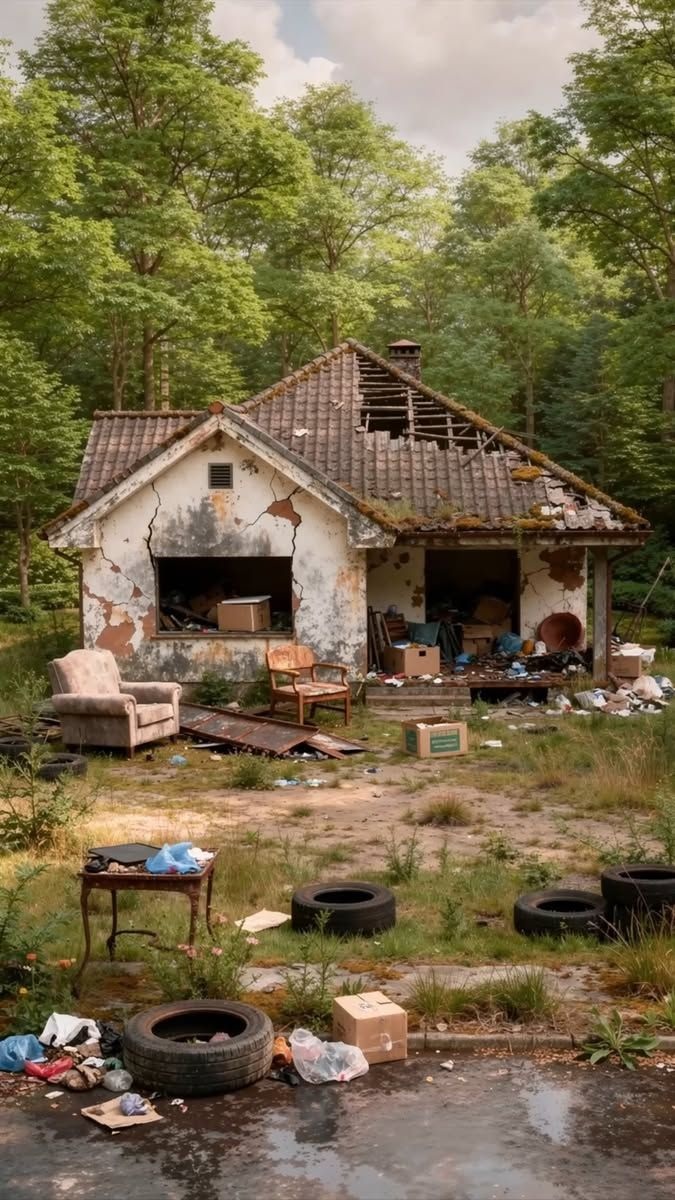
When buying a 20-year-old house, you must conduct extreme due diligence. The risks are different from buying off-plan.
- Inheritance Disputes (Family Land): The house might be sold by the eldest son, but do the other siblings agree? Never buy an inherited property without a clear, legally binding “Letter of Administration” from the courts and the consent of all principal family members.
- Accumulated Debts: Old houses often come with ghosts. Ensure the seller clears all outstanding Land Use Charges, massive estimated electricity bills from the local DisCo, and estate association levies before you take ownership.
Start Finding Hidden Gems
Flipping is the most active, rewarding sector of real estate. It takes vision to look at a dilapidated, dusty building and see the multi-million Naira luxury home it can become.
At MiraEmma Properties, our sourcing team is constantly scouring the market for undervalued, structurally sound older properties with perfect titles in prime locations. We help our investors find the “ugly ducklings,” negotiate the lowest entry price, and manage the legal handover so you can start renovating immediately.
Stop overpaying for new builds. Let’s find you a high-margin property to flip today.