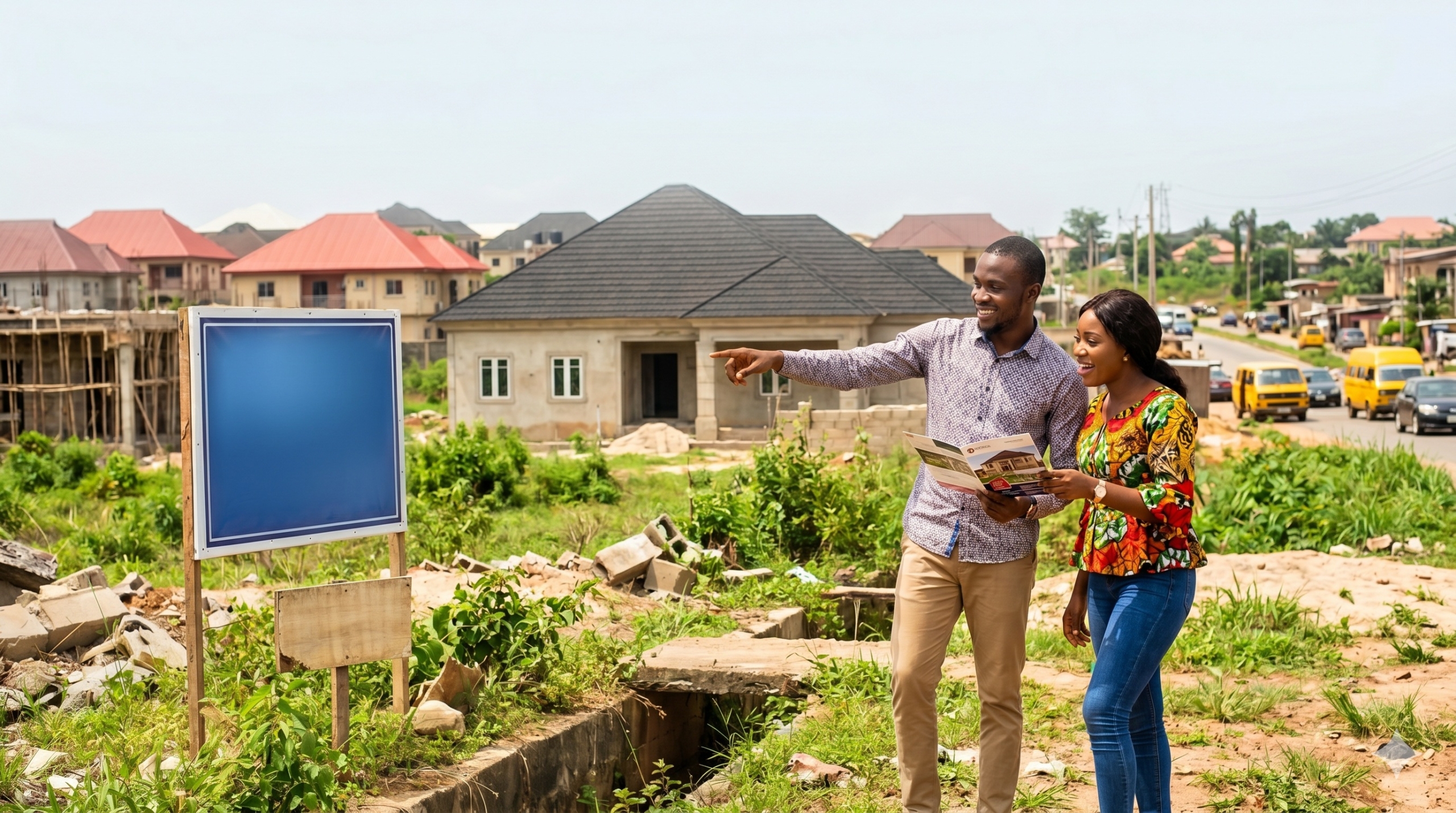
Buying your first property is a monumental milestone. Whether it is a sleek apartment in Lekki or a family terrace in Wuye, handing over that cheque represents years of hard work, discipline, and sacrifice.
However, the Nigerian real estate market is unforgiving. It is not regulated like a supermarket, where you can simply return a defective product and get your money back. If you buy a house with a bad title, structural defects, or hidden debts, you are stuck with it.
First-time buyers are particularly vulnerable because they are driven by emotion rather than data. They fall in love with the Italian tiles and the POP ceiling, completely ignoring the fundamental realities of the property.
At MiraEmma Properties, we have rescued countless clients from bad deals initiated before they met us. To protect your capital, we have compiled the ultimate checklist. Here are the 7 fatal mistakes you must avoid when buying your first property in Lagos or Abuja.
1. Buying the “Cosmetics” and Ignoring the Structure
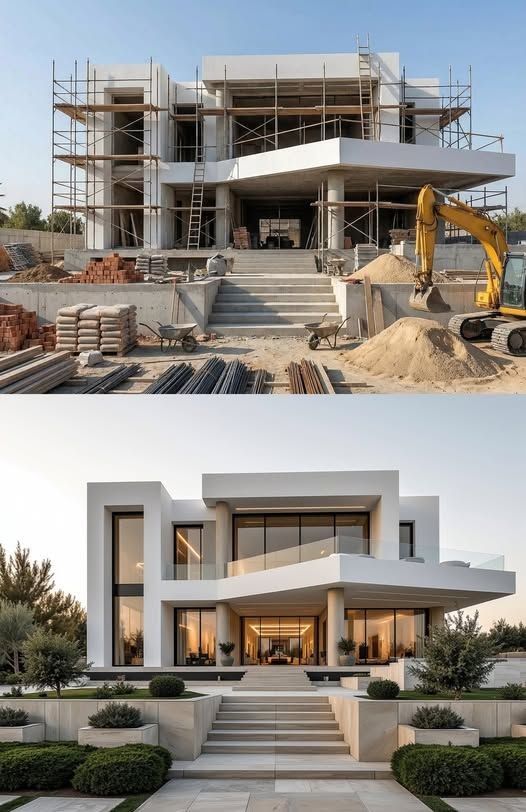
This is the most common trap. A developer takes a poorly built house, slaps on a fresh coat of premium paint, installs imported chandeliers, and lists it as a “Luxury Home.”
- The Mistake: First-time buyers walk in, see the sparkling kitchen island, and immediately make an offer. They fail to look past the surface.
- The Fix: You are buying concrete, not paint. Before you pay, you must conduct a structural inspection. Look for hairline cracks in the foundation, signs of rising damp (water stains near the skirting boards), and poor water pressure. If possible, bring an independent civil engineer to assess the structural integrity of the building.
2. The “Dry Season” Illusion
Nigeria has two distinct seasons, and a property can look entirely different depending on when you inspect it.
- The Mistake: Buying a property in Lagos or certain parts of Abuja in January (the peak of the dry season) without investigating the topography. The road might be perfectly dry today, but it could turn into a river in July.
- The Fix: Always ask the “Rainy Season Question.” Talk to the security guards or neighbours in the area. Look at the perimeter fences of surrounding houses; if you see green algae marks or water stains three feet high on the walls, that street floods. Do not buy a house that requires a canoe to access for three months of the year.
3. Depleting All Your Cash on the Purchase Price
Many buyers budget exactly N60 million for a house priced at N60 million.
- The Mistake: Forgetting that buying a house comes with heavy closing costs. If you drain your entire savings to pay the seller, you will be stranded when the secondary invoices arrive.
- The Fix: Always apply the 15% Buffer Rule. If you have N60 million to spend, look for houses in the N50 million range. You will need that extra N10 million to pay for the Agency Fee (5%), Legal Fee (5%), Governor’s Consent/Title Perfection, and the inevitable moving and furnishing costs.
4. Trusting the Developer’s Lawyer

When you buy a property, the seller or developer will have a lawyer draft the Deed of Assignment.
- The Mistake: Assuming the developer’s lawyer is protecting your interests. They are not. Their job is to protect their client (the developer). If the title has a defect, they have no legal obligation to point it out to you.
- The Fix: You must hire your own independent property lawyer. Your lawyer will conduct a thorough search at the Land Registry, verify the authenticity of the Certificate of Occupancy (C of O), and ensure the contract does not contain clauses that leave you exposed.
5. Ignoring the “Micro-Location” Dynamics
You might find a beautiful house in a famous district like Maitama or Victoria Island, but the exact street matters more than the general district.
- The Mistake: Buying a residential home that shares a fence with a noisy commercial enterprise, a nightclub, or a busy mechanic workshop. This destroys your peace of mind and tanks your property’s resale value.
- The Fix: Visit the property at three different times before you buy:
- Tuesday morning: To check the commute traffic.
- Friday night: To check the neighbourhood noise levels.
- Sunday afternoon: To see the community vibe when everyone is home.
6. Buying Without an Exit Strategy
You might plan to live in this house forever, but life changes. You might get a job abroad, your family might outgrow the space, or you might face a financial emergency.
- The Mistake: Buying a highly customised or weirdly designed house that appeals only to you.
- The Fix: Always buy with “Resale Value” in mind. Standard 3-bedroom or 4-bedroom terraces in gated estates are highly liquid (easy to sell). A 7-bedroom standalone mansion painted bright purple is incredibly difficult to sell. Buy a property that the general market actually wants.
7. Skipping the “Power Grid” Audit
In 2026, energy costs are the biggest expense for Nigerian homeowners.
- The Mistake: Moving into a new house without checking its energy infrastructure or grid placement. If the house is on a Band C grid and lacks solar integration, you will spend millions running a diesel generator.
- The Fix: Ask the developer for the estate’s power strategy. Does the house come with pre-installed solar panels? Is the estate on a premium Band A feeder? An energy-efficient home will save you tens of millions of Naira over a 10-year period.
Your First Purchase Should Be Your Safest
Buying your first home should be a moment of joy, not a source of lifelong regret. The difference between a great investment and a terrible mistake is the quality of the team advising you.
At MiraEmma Properties, we treat first-time buyers with the utmost care. We do not just show you beautiful houses; we guide you through the legal checks, the structural audits, and the neighbourhood evaluations. Every property in our portfolio has already passed our strict internal vetting process.
Ready to make your first real estate move with absolute confidence?