
For thirty years, the value of a property in Lagos or Abuja was largely determined by one factor: How long does it take to drive to the Island or the Central Business District?
In 2026, that question has changed. The new question is: “How far is it from the Train Station?”
With the full commercial operations of the Lagos Red Line (Agbado to Oyingbo) and the Wike-revived Abuja Metro (Airport to Central Area), we are witnessing the birth of a new economic reality. Commuters who used to spend 4 hours in traffic can now get to work in 35 minutes.
This convenience has triggered a massive shift in real estate value, known globally as the “Rail Premium.” In cities like London or Dubai, properties near tube stations cost 30-40% more than those further away. That same phenomenon has now arrived in Nigeria.
Here is how the “Rail Revolution” is creating new wealth hotspots and where you should look to invest.
Lagos: The ‘Red Line’ Effect (Yaba & Ikeja)
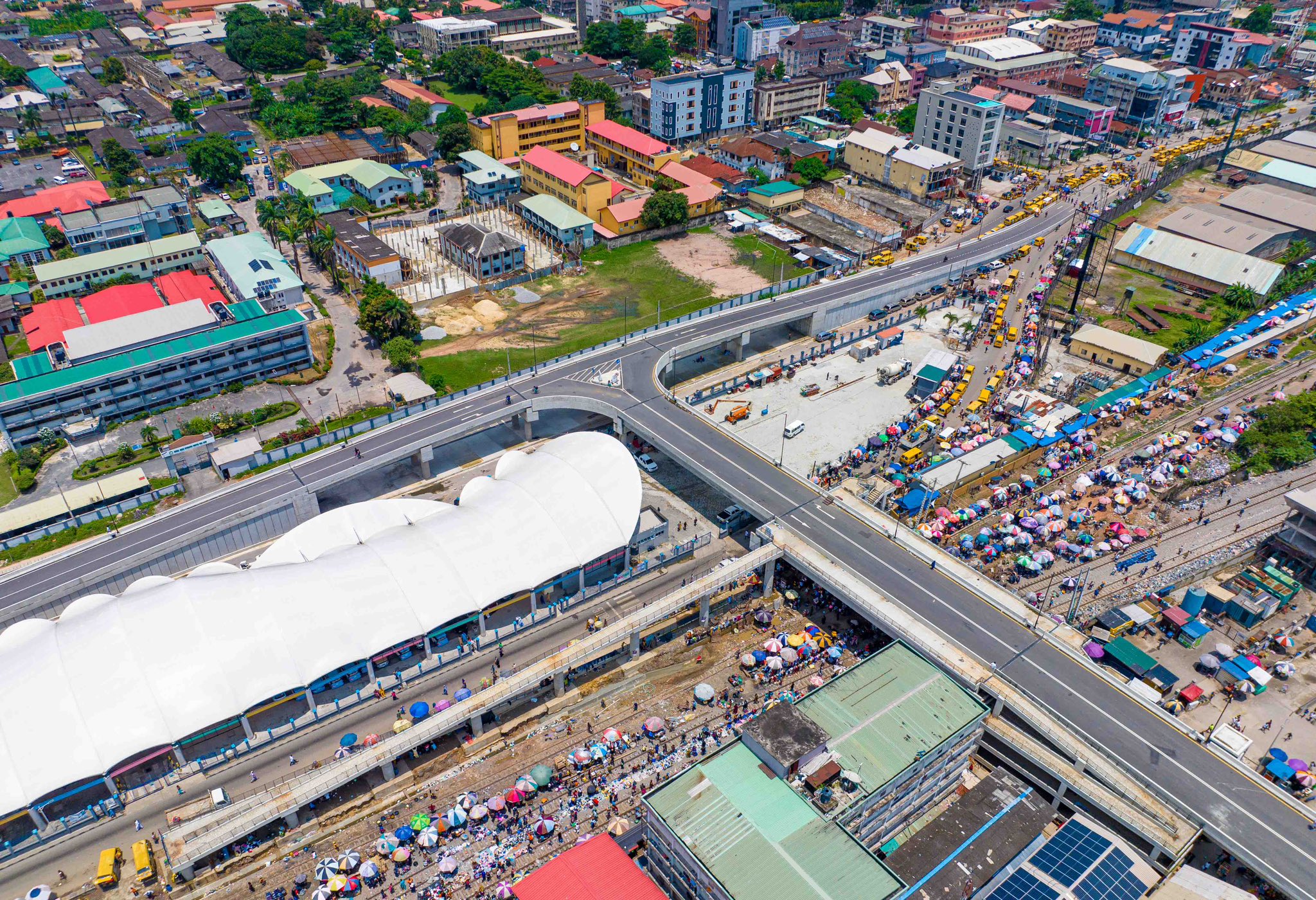
The Lagos Red Line has fundamentally changed the logic of living on the Mainland.
- The Shift: Previously, a top executive would never consider living in Ikeja or Agege if they worked on the Island due to the traffic. Now, with a predictable train schedule, that commute is stress-free.
- The Hotspot: Yaba. Already a tech hub, Yaba’s connectivity via the Red Line has turned it into “Mainland’s Ikoyi.” We are seeing a surge in demand for modern 1-bedroom and 2-bedroom apartments from young tech professionals who want to work on the Island but live in the vibrant culture of Yaba.
- The Investment Play: Buy older properties in Yaba/Ebute-Metta to renovate/remodel, or buy new serviced apartments in Ikeja GRA near the station. These units are commanding “Island-level” rents.
Abuja: The ‘Wike Revival’ (Idu & Airport Road)
In Abuja, the Metro Line was dormant for years until the FCT Minister, Nyesom Wike, revitalized it. The impact on the Idu and Airport Road axis has been immediate.
- The Shift: The Idu Industrial District was once seen as “far away.” Today, it is the primary rail hub connecting the City Metro to the Kaduna-Abuja heavy rail.
- The Hotspot: Idu & Karmo. These districts are currently undervalued. Because they are the “Gateway” to the train network, smart developers are rushing to build “Station Estates”—residential communities specifically marketed to people who want to commute by train.
- The Investment Play: Land prices in Idu are still accessible compared to the city center. Buying land here now is a strategic masterstroke. As the rail culture solidifies in 2026, Idu will become the “Stratford” of Abuja.
The “Commuter Belt” Opportunity
The train has also unlocked the “Commuter Belt” Strategy.
- How it works: You don’t need to buy expensive land in the city center anymore. You can buy cheaper, larger land in satellite towns (like Agbado in Lagos or Kubwa in Abuja) that are near a train station.
- The Value: Tenants can rent a spacious 3-bedroom flat in these areas for the price of a studio in the city, without sacrificing their commute time. This creates high occupancy rates for landlords in these satellite towns.
The Golden Rule: The “15-Minute Walk”

If you want to capitalize on this trend, you must follow the 15-Minute Rule. Data shows that the “Rail Premium” is strongest for properties located within a 1km radius (or a 10-15 minute walk) of the train station entrance.
- 0 – 500m: Gold Zone (Highest Commercial Value / Short-Let Potential).
- 500m – 1km: Silver Zone (High Residential Demand).
- > 2km: Bronze Zone (Impact diminishes significantly).
Don’t Miss the Train
The “Rail Revolution” is not a temporary trend; it is a permanent structural change to the city. The investors who are buying land in Idu (Abuja) or near the Red Line corridors (Lagos) today are securing the wealth of tomorrow.
At MiraEmma Properties, we have identified specific clusters of land and housing projects that sit within the “Gold Zone” of these new rail corridors.
Get on board before the prices leave the station.